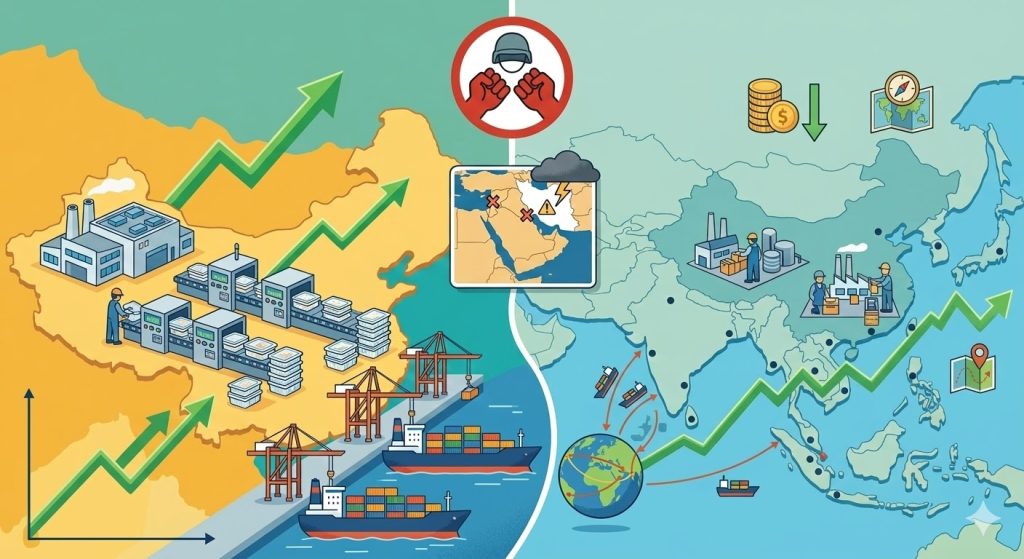
The news is full of reports about the conflict between the US and Iran. You worry about how this war affects your supply chain for plastic food containers.
In this crisis, China is the more stable and cost-effective choice[^1]. While other Asian nations rely almost entirely on Middle East oil, China has diversified sources like Russia and South America[^2]. This energy security ensures our factories keep running when others stop.
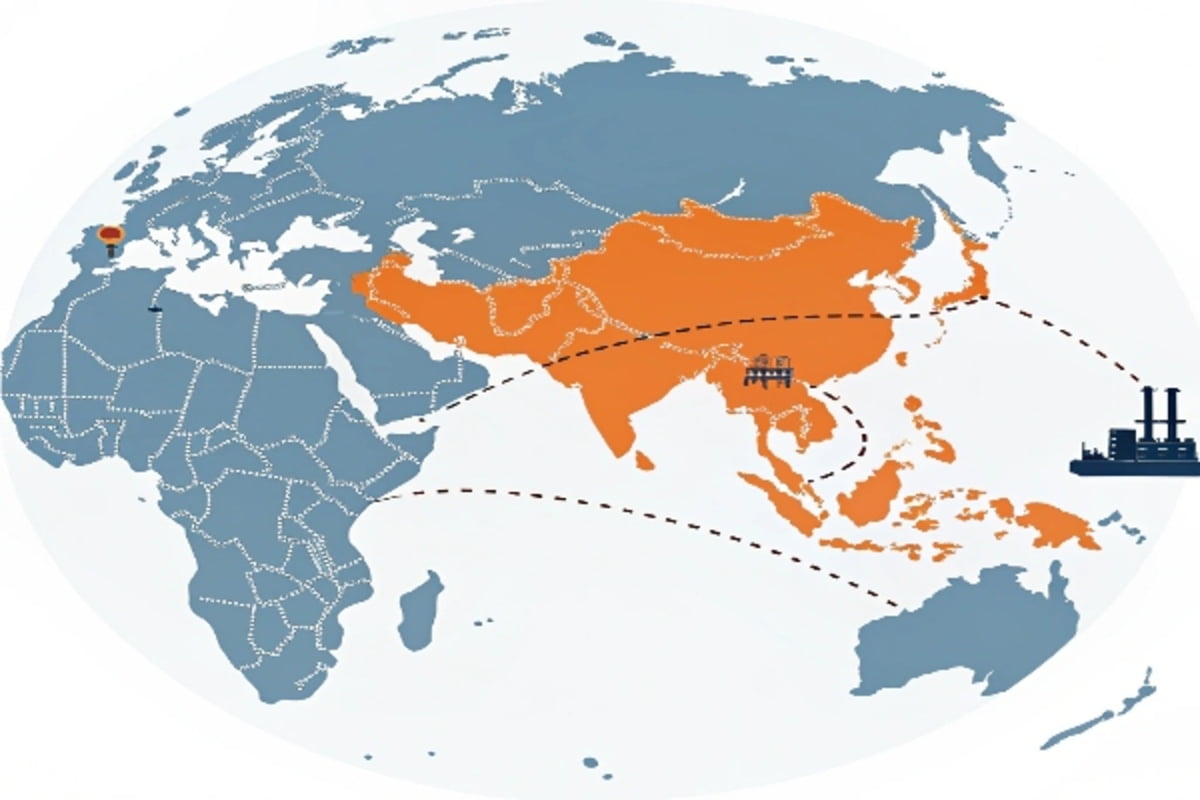
We all know that plastic comes from oil[^3]. If the oil stops flowing, the machines stop working. The blockade of the Strait of Hormuz[^4] is a nightmare for global trade. But not all countries face the same level of risk.
How does the Strait of Hormuz blockade affect Asian energy supplies?
The Strait of Hormuz is closed, and oil tankers cannot move. This situation scares manufacturers in Japan, Korea, and India who need energy.
Most Asian countries depend heavily on Middle East oil to run their power plants and factories. If that supply stops, they have no power. China is different because we buy oil from many places, not just the Middle East.
I want to explain why this matters for your business. Plastic blister packs, clamshells, and food trays are made from petroleum products. No oil means no plastic resin. Japan, South Korea, and India buy most of their oil from the Middle East. If the Strait closes, they panic. They have few alternatives to keep their industries moving.
China is different. We are the biggest importer of oil in the world, yes. But the Chinese government saw this risk coming years ago. We have a strategy called diversification. We buy a lot of oil from Russia. We buy from South America. We have the Asia-Pacific supply chain. We have built pipelines that do not use the ocean routes controlled by the US or Iran. When the Middle East supply cuts off, China shifts to these other sources[^5].
Here is a simple table to show you the difference in risk between us and other countries:
| Country | Primary Oil Source | Risk Level | Alternative Sources |
|---|---|---|---|
| China | Diversified (Middle East, Russia, S. America) | Low/Medium | Pipelines from Russia, Myanmar |
| Japan | Middle East (High Reliance) | Critical | Very Few |
| South Korea | Middle East (High Reliance) | Critical | Very Few |
| India | Middle East (High Reliance) | Critical | Limited |
This means my factory in Dongguan keeps power while others might shut down. We can continue to make your disposable food containers because our grid is stable.
 |
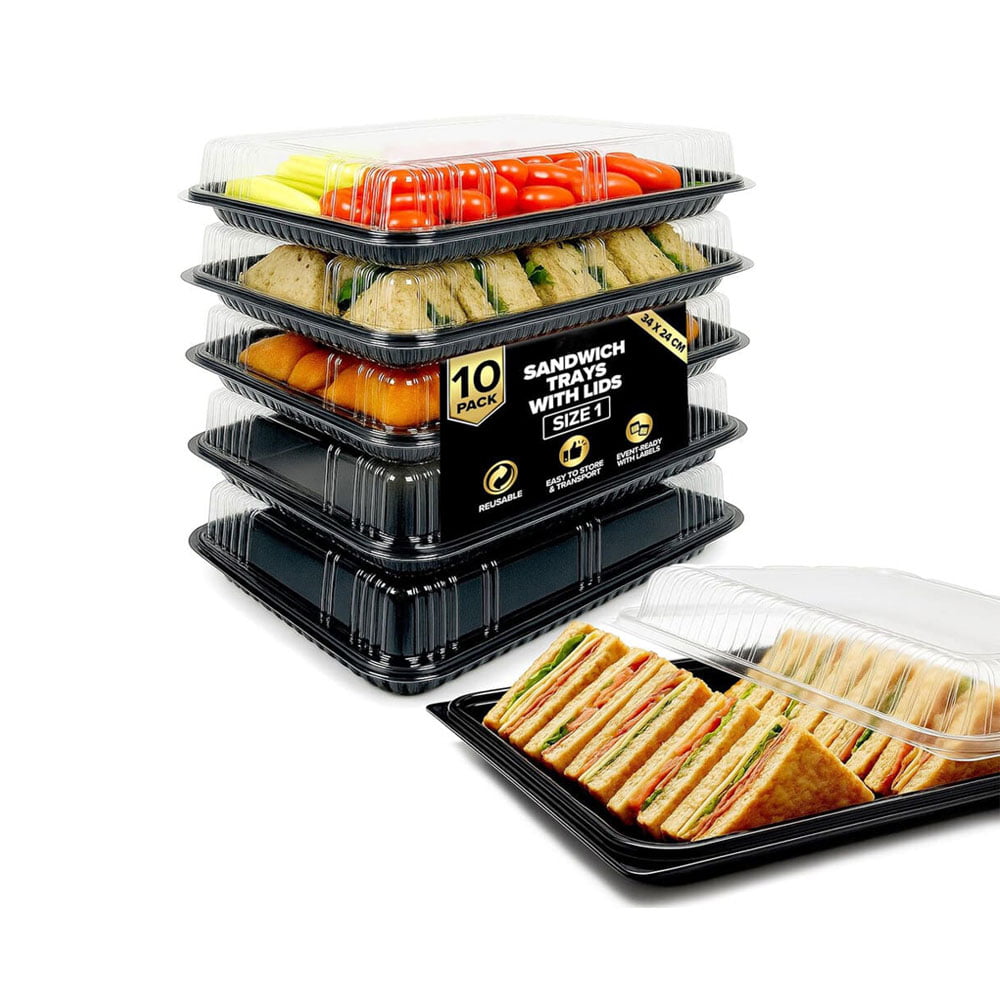 |
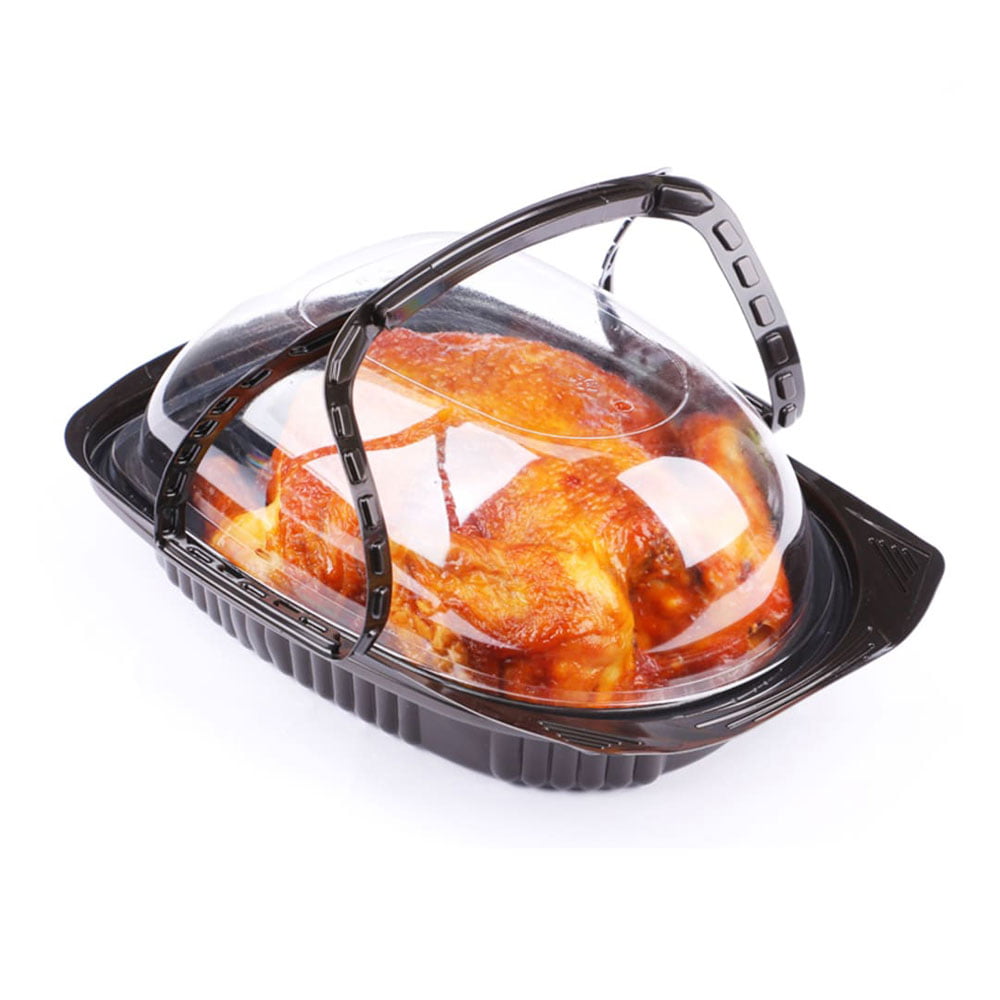 |
|---|---|---|
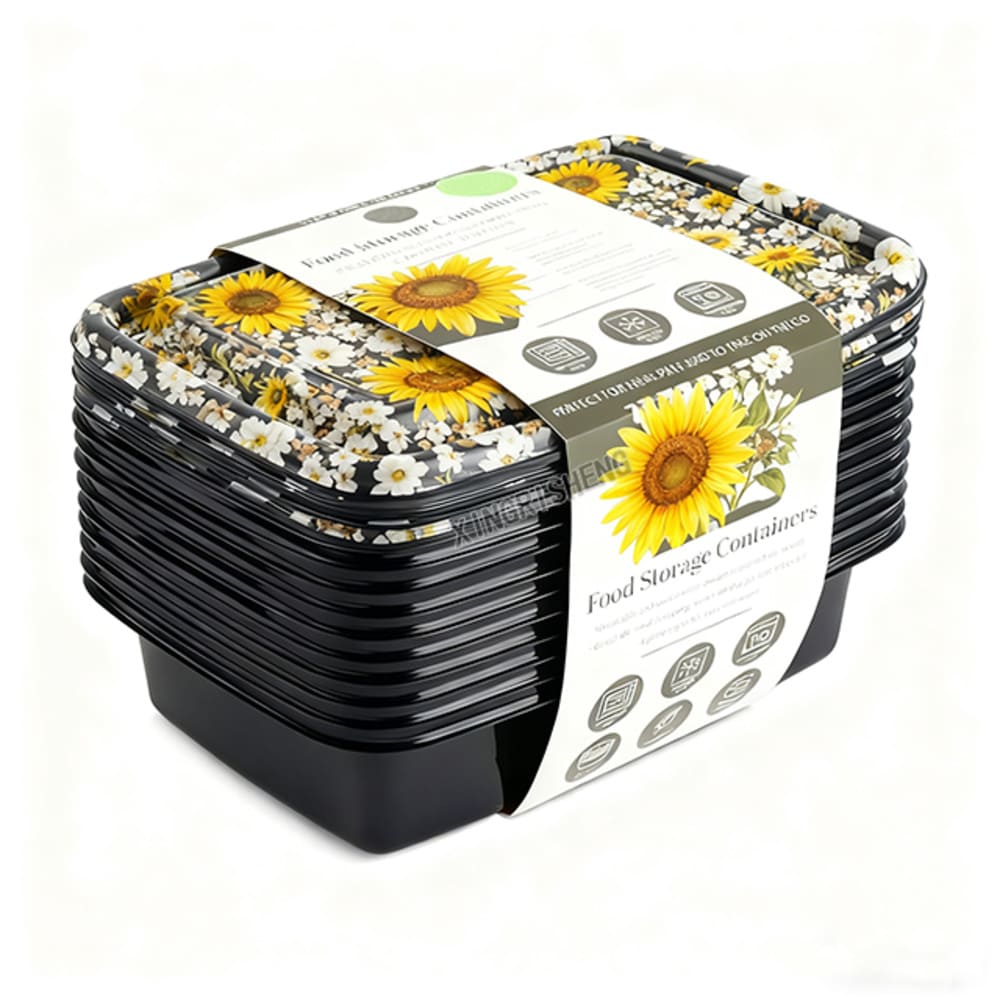
| Printed Food Storage | Sandwich Buffet Platter | Roasted Chicken Carrier |
Can China really maintain production stability during an energy crisis?
You might think all of Asia is in the same boat regarding the war. You might think China will suffer just as much as its neighbors.
China has strategic petroleum reserves and overland pipelines that do not rely on ships. This infrastructure keeps our production lines moving when other countries face blackouts and logistics failures.
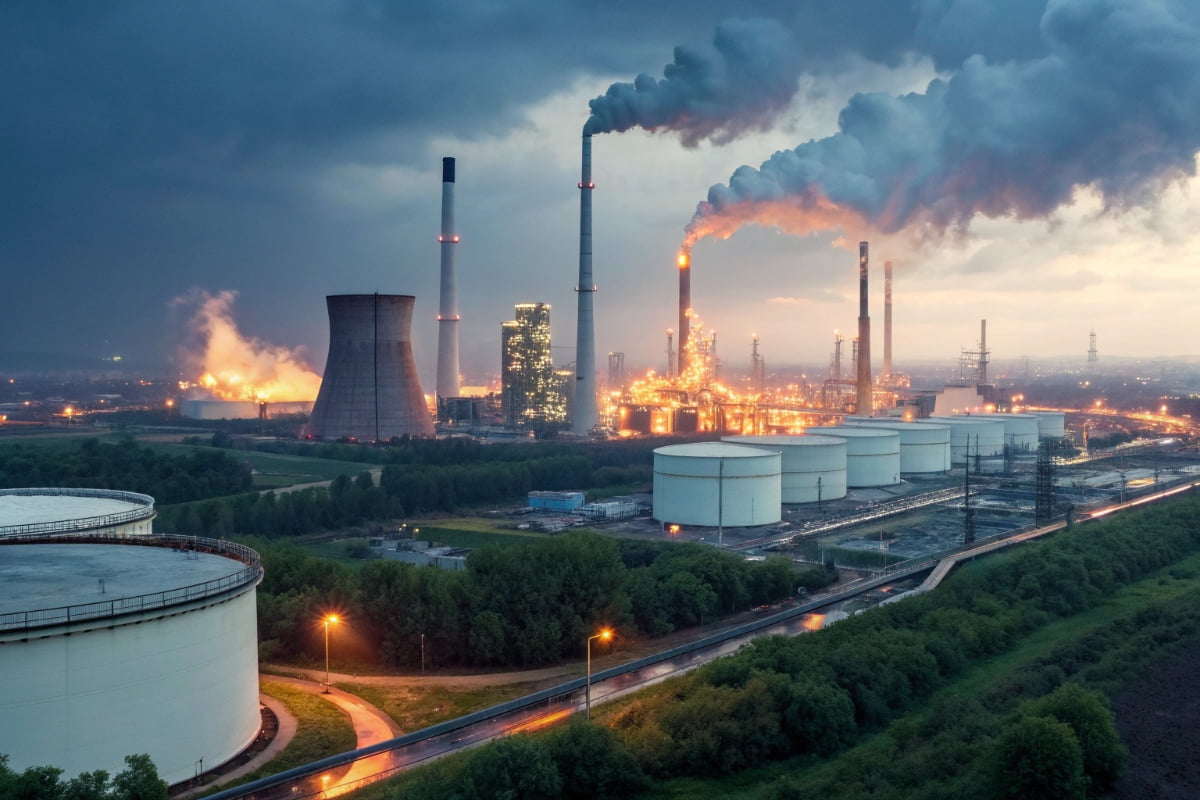
Let me tell you about what happens on the ground here at XRS Packaging. We specialize in large-volume manufacturing. We need stable electricity 24 hours a day for our large-scale molding machines. If the power goes out, we lose huge batches of product and damage our molds. This is a risk we cannot take.
The Chinese government has built "Strategic Petroleum Reserves[^6]." These are huge tanks of oil kept for emergencies like war. When the global supply creates a gap, these reserves fill it. Also, we have pipelines coming directly from Russia and Myanmar[^7]. These do not go through the Strait of Hormuz. Other countries like India do not have this level of preparation. They rely on ships that are now blocked.
So, while they wait for the war to end, we continue to design and mold your food containers. We have the raw materials because our local resin suppliers have the oil. It is a chain reaction that favors the prepared. We handle everything from concept to mass production. Because our energy is secure, our timeline for your project remains secure. We do not have to stop and wait for a tanker to arrive.
Will the price of packaging rise, and who offers the best value now?
War makes everything expensive, and you are afraid of price hikes. You want to know who offers the best deal in this bad situation.
Prices will go up everywhere because oil is a global market. However, China’s supply is stable[^8], preventing panic pricing. Other countries may face shortages that cause prices to double or triple instantly.
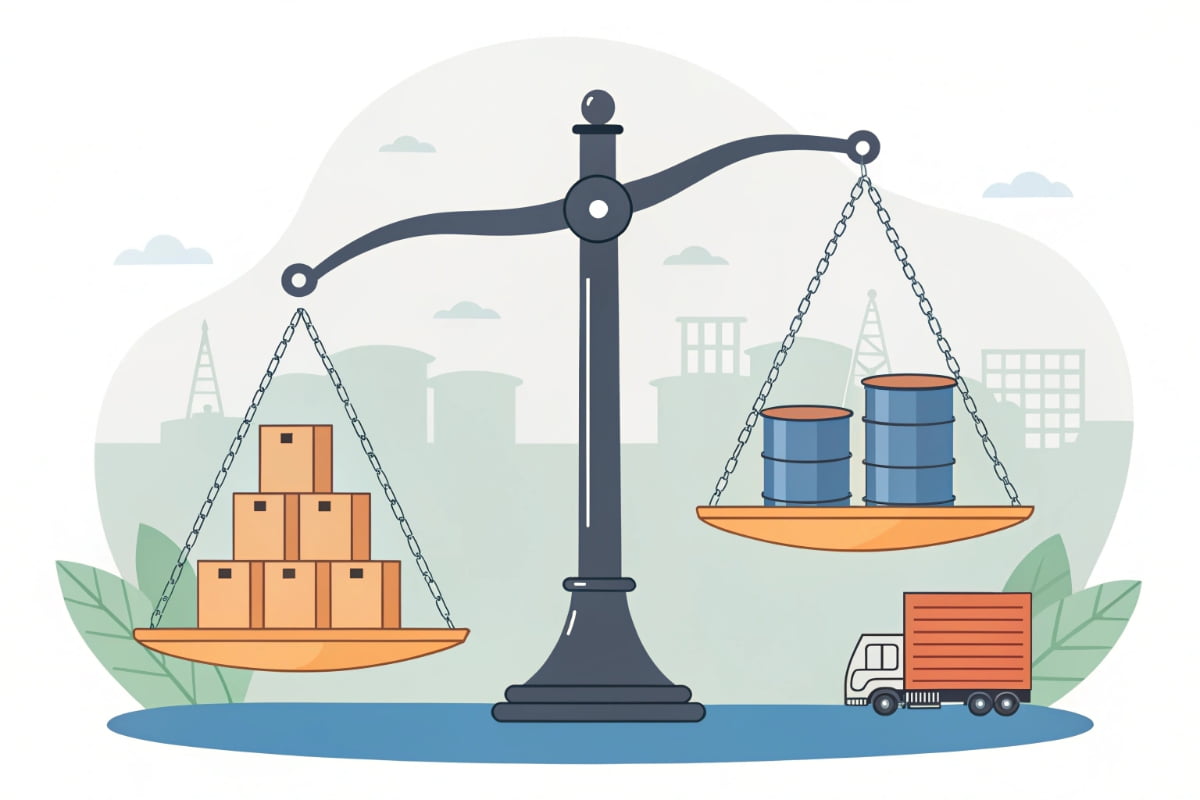
I need to be honest with you. When oil prices go up, plastic prices go up. This is unavoidable. But there is a huge difference between a "price increase" and a "price explosion." In countries like South Korea or Japan, if they run out of oil, the price for the little bit they have will skyrocket. It becomes a bidding war. You might pay three times the normal price and still not get your goods.
In China, because supply continues from Russia and South America, the price rises slowly. It follows the market, not panic. Also, our government controls energy prices to keep factories running. This makes China the most "cost-effective" option right now. You pay a bit more than before, but you actually get the product.
At XRS Packaging, we focus on B2B customization. We buy materials in bulk. This helps us lock in prices better than smaller factories. In other places, you might pay double and get nothing because the factory has no power. Staying with a stable partner is the only way to save money in the long run. We can still offer you a one-stop solution from design to shipping without a total price collapse.
Why is this the right time to switch your orders to China?
You see the danger in the market and know you need to act. Waiting is the worst thing you can do right now.
This crisis is an opportunity for smart buyers to secure inventory[^9]. Moving orders to China now secures your stock before the global rush. Speed is the key to stabilizing your market position.
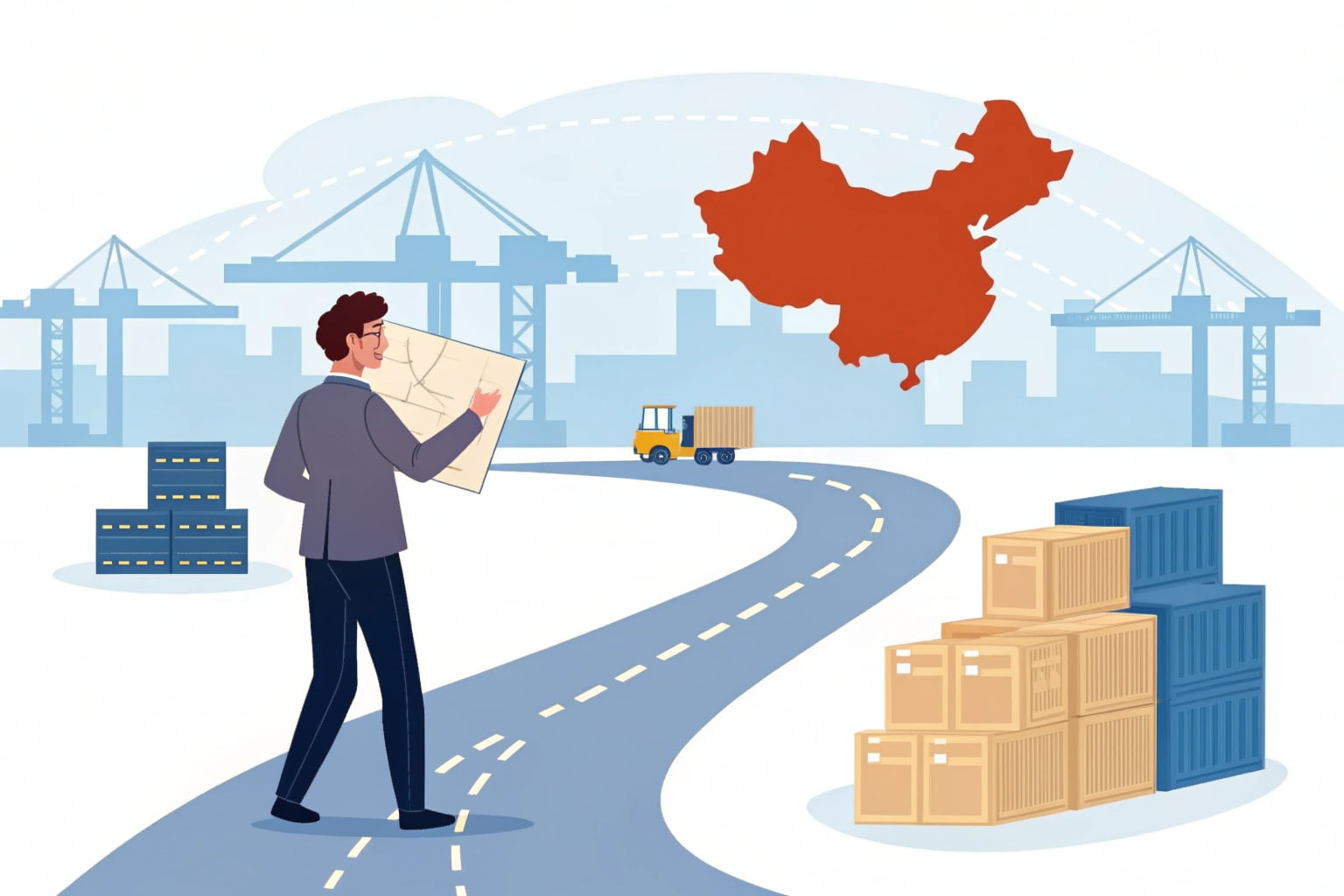
This is a critical moment for your business. I see many buyers hesitating. They wait to see if the war stops. But in the B2B world, inventory is king. If you run out of food containers, you cannot sell your food. The insights are clear: Europe is struggling with gas. Asia is struggling with oil. China is the only major manufacturing hub with a "Plan B" (Russia/South America).
This creates a chance for you. If you move your production to us now, you lock in your supply. We have the capacity at XRS Packaging. We do not do retail; we focus on big orders. The buyers who react fast will own the market. Those who wait for India or Japan to recover will face empty shelves.
It is about survival of the fastest. While other countries panic, we are working. We have the strict quality control and the raw materials ready. By shifting your OEM/ODM needs[^10] to us now, you avoid the worst of the crisis. You ensure that your supermarkets and distribution channels stay full. This is not just about buying boxes; it is about buying security for your business.
Conclusion
The US-Iran conflict hurts Asian producers who need Middle East oil. China remains stable due to diversified energy. Buy from China now to secure your supply chain.
[^1]: Exploring why China is a stable and cost-effective choice can help you understand how to secure your supply chain amidst global uncertainties. [^2]: Understanding China's diversified oil sources can provide insights into how it maintains energy security during geopolitical conflicts. [^3]: Understanding the connection between oil and plastic production can help you anticipate challenges in manufacturing plastic goods. [^4]: Learning about the Strait of Hormuz blockade's impact on trade can help you assess risks to your supply chain. [^5]: Exploring China's strategy to shift oil supply can reveal how it maintains production stability during crises. [^6]: Learning about China's Strategic Petroleum Reserves can provide insights into how it prepares for energy crises. [^7]: Understanding the role of pipelines from Russia and Myanmar can help you see how China avoids reliance on ocean routes. [^8]: Understanding China's stable oil supply can help you choose reliable partners for your business needs. [^9]: Understanding the importance of securing inventory can help you make strategic decisions to protect your business. [^10]: Exploring the benefits of shifting OEM/ODM needs to China can help you secure your supply chain and maintain market position.