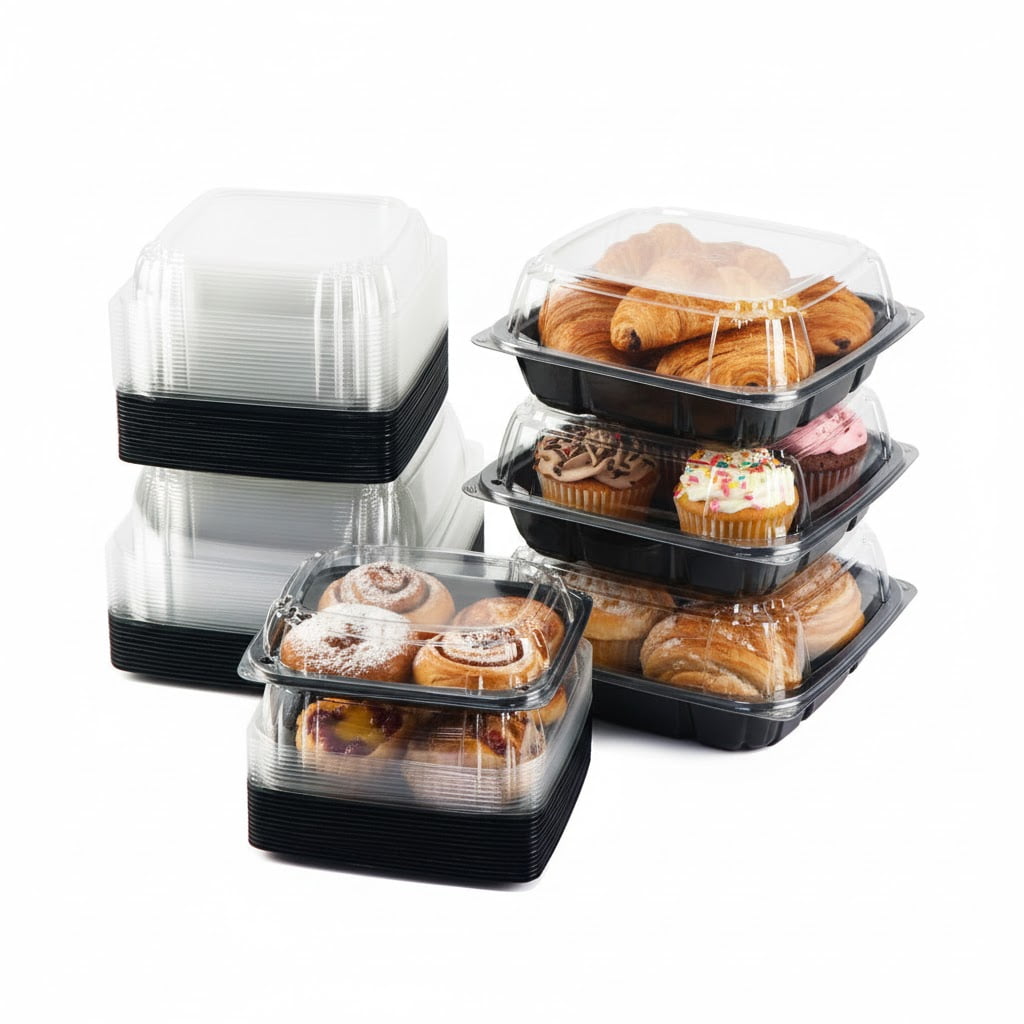
Are you confused by the different quotes from Chinese manufacturers?
Buying plastic containers blindly hurts your profit margins. I will show you exactly how we calculate prices to save you money.
The price depends on the product type. For standard thermoformed containers[^1], price is calculated strictly by weight (grams) linked to raw material costs. For custom branded packaging, size and design complexity matter more because they affect mold costs, production speed, and scrap rates.
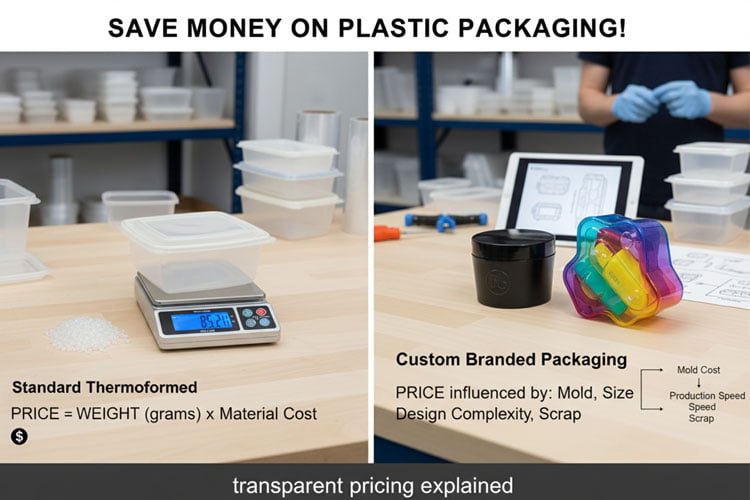
Many buyers think they got a good deal, but they actually bought thinner materials. You need to understand the logic behind the numbers. Let me explain the details so you become a smarter buyer.
Why is Thermoforming More Flexible Than Injection Molding?
You need packaging that changes with market trends. Old molds are slow and expensive to change. This limits your business growth and frustrates your marketing team.
The thermoforming process offers superior flexibility compared to injection molding[^2]. You can adjust material thickness, hardness, and design details quickly without expensive new tooling. This allows you to react to customer feedback immediately.
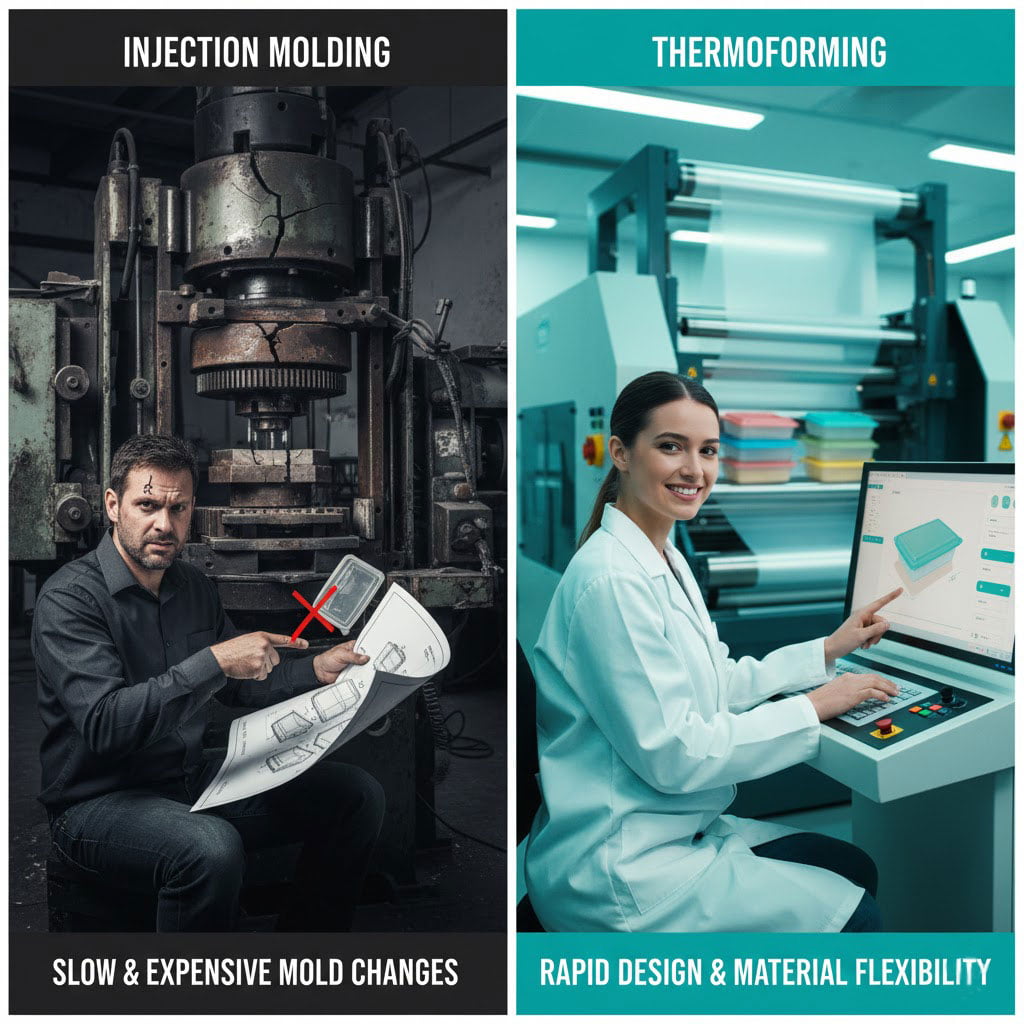
I have seen many clients struggle with this choice. They start with injection molding[^2] because it feels "sturdy." But then the market changes. They want to change the size slightly. They want to change the material from PP to PET. With injection molding[^2], this is a nightmare. You have to pay for a new heavy steel mold. It takes months.
In my factory here in Dongguan, we focus on thermoforming for a reason. China contributes about 40% of the global share of thermoformed food packaging. We export between 600,000 to 800,000 tons every year. Why is this number so high? It is because our supply chain is complete.
We can offer a "one-stop" service. This means we handle the concept, the design, the tooling, and the mass production. If you tell me on Monday that your salad container is too soft, I can adjust the material formula or the mold design by Friday. We can change the hardness. We can change the depth.
Thermoforming molds are cheaper and faster to make. This gives you power. You can test a design. If your customers do not like it, we change it. You are not stuck with a mistake for years. This flexibility is the main reason why global supermarkets choose Chinese thermoforming suppliers. We iterate fast.
| Feature | Thermoforming | Injection Molding |
|---|---|---|
| Mold Cost | Low | High |
| Modification Speed | Fast (Days/Weeks) | Slow (Months) |
| Material Thickness | Adjustable easily | Fixed by mold |
| Production Speed | High volume | Medium volume |
| Best For | Thin-wall containers, clamshells | Heavy, reusable tubs |
 |
 |
 |
|---|---|---|
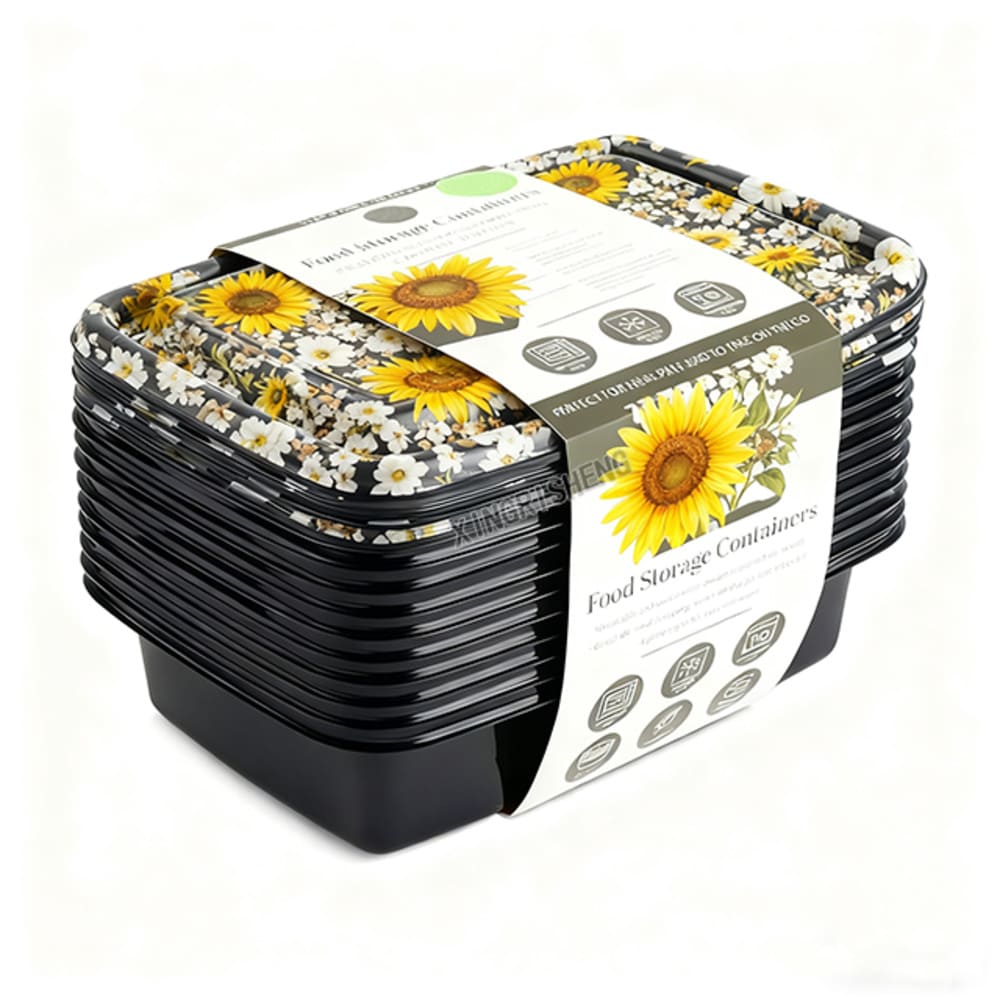
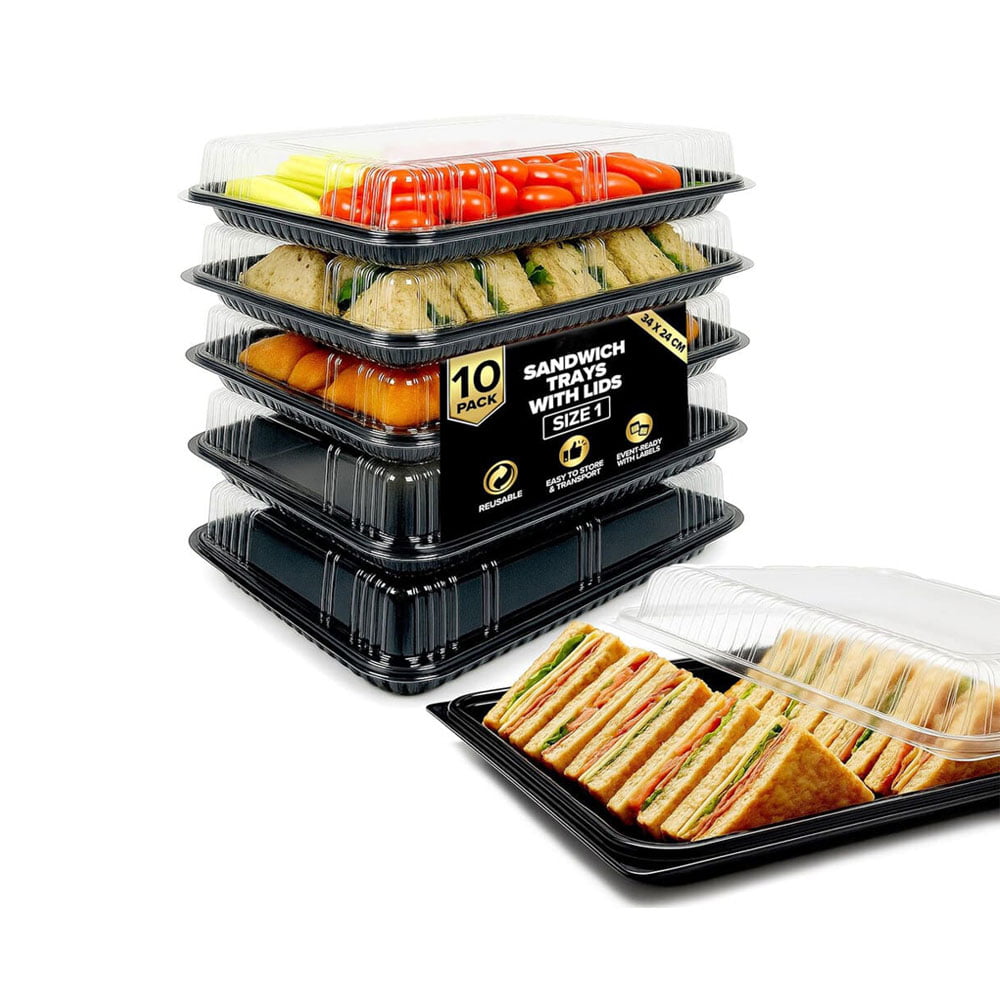
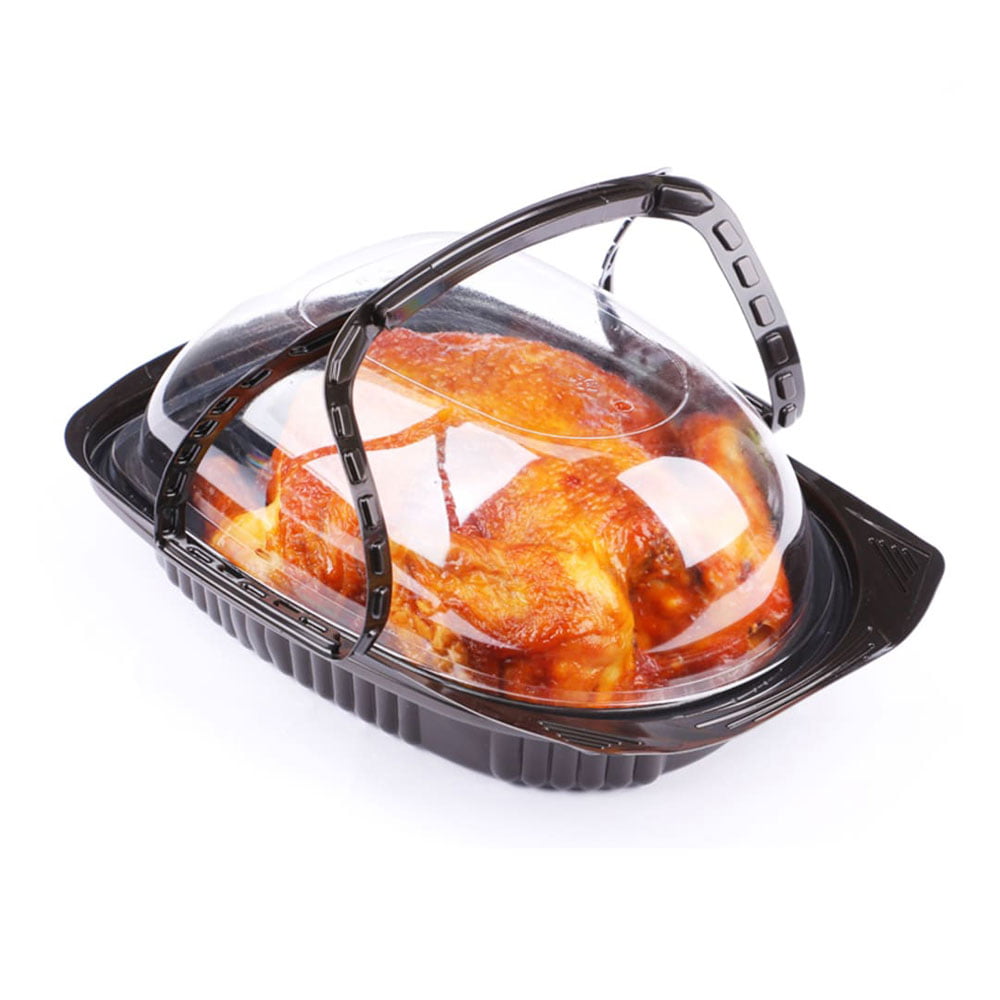
| Printed Food Storage | Sandwich Buffet Platter | Roasted Chicken Carrier |
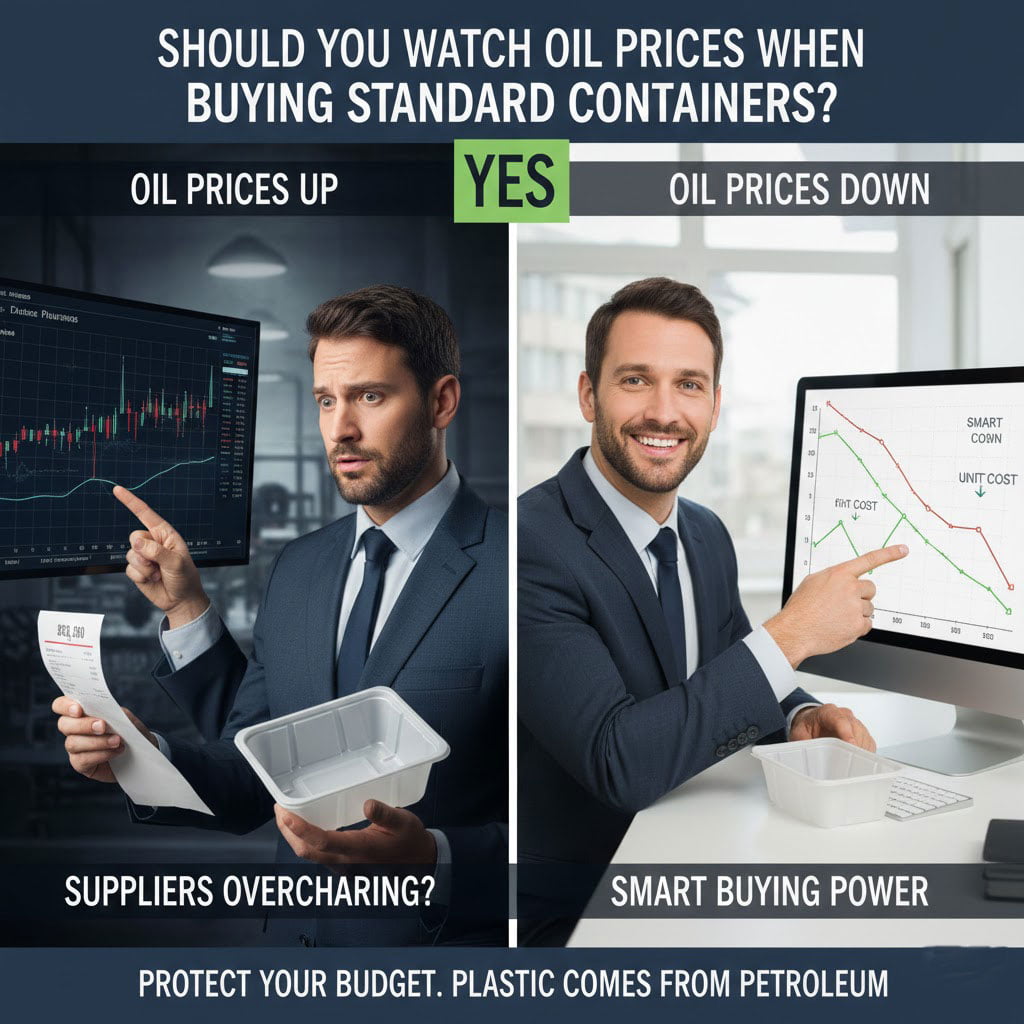
Should You Watch Oil Prices When Buying Standard Containers?
Prices fluctuate and you do not know why. Suppliers might be overcharging you during low market rates. This eats your budget and lowers your competitive edge.
Yes, you must watch oil futures if you buy standard thermoformed boxes. Plastic comes from petroleum. When oil prices[^3] drop, your unit price based on weight should also drop. This knowledge protects you from unfair pricing.
I deal with this every day. A customer asks for a quote for a standard 16oz deli container. This is a "commodity" product. It has no special brand design. It is just a box to hold food. For this type of product, the calculation is very simple. It is all about the weight.
We buy plastic sheets or resin pellets. These are petroleum products. When the global oil price goes up, my raw material cost goes up. When oil goes down, my cost goes down.
If you are buying standard items, do not let a supplier give you a fixed price for a year without conditions. You need to check the crude oil futures. If oil crashes, but your supplier keeps the old high price, you are losing money.
You can estimate the cost yourself. If you know the weight of the container is 20 grams, and you know the current market price of PET or PP material per ton, you can calculate the material cost. Then you add a small margin for processing and labor.
If the price seems too high, ask the supplier about the weight. Sometimes, a supplier offers a very low price. Be careful. They might be reducing the weight. A 20-gram box becomes an 18-gram box. It looks the same, but it is flimsy. It crushes during shipping.
Always buy based on weight for standard items. Ask for the exact gram weight in the contract. This prevents scams. It keeps the quality stable.
| Factor | Impact on Price | Action for Buyer |
|---|---|---|
| Crude Oil Price | High Impact | Check market trends monthly |
| Product Weight | Direct Correlation | Specify grams in contract |
| Order Volume | Medium Impact | Negotiate bulk discounts |
| Material Type | Medium Impact | Choose PP or PET based on need |
How Do You Compare Prices for Custom Brand Packaging?
Custom projects are complex and quotes vary wildly. You risk choosing a cheap factory that fails at design. Your brand reputation is at stake if the packaging fails.
Do not just look at the price per gram for custom items. You need to compare specific details like mold quality, R&D capability, and design support. A slightly higher price often means better engineering and fewer production errors.

When you want a custom shape for your brand, the rules change. You are not just buying plastic; you are buying a solution. I have seen clients choose the cheapest factory for a custom blueberry clamshell. The result was a disaster. The lids did not close properly on the automatic packing line. They lost thousands of dollars in wasted fruit.
For custom orders, you must compare "apples to apples." If I quote you $0.05 per piece and another factory quotes $0.04, you need to ask why.
First, look at the weight and thickness. Are we quoting the same specs? Second, look at the mold. Is it a high-quality aluminum mold with water cooling, or a cheap mold? Third, look at the service. Does the factory have an R&D team?
I always tell my clients: Price is important, but capability is vital. You need a supplier who can design the structure. We check the stacking strength. We check the ventilation. We make sure it fits your shelf space.
At this stage, weight is not the only standard. A good design might use less plastic but be stronger because of smart ribbing. This saves you money in the long run.
You should ask for a video audit of the factory. Do you see designers? Do you see a mold shop? Do you see the thermoforming machines running? This proves they are a real manufacturer, not a trading company. A responsible supplier who solves problems is worth more than a tiny price difference. A stable partner lets you sleep at night.
| Negotiation Point | Why It Matters |
|---|---|
| Weight/Thickness | Must be identical to compare price fairly. |
| R&D Capability | Ensures the design works on your packing line. |
| Mold Ownership | Clarify who owns the custom tooling. |
| Packing Method | Affects your shipping cost and storage. |
| Payment Terms | flexible terms show financial stability. |
Conclusion
For standard boxes, pay for weight and watch oil prices[^3]. For custom designs, pay for capability and service. Always compare identical specifications to find a reliable partner like us.
[^1]: Understanding thermoformed containers can help you make informed purchasing decisions and optimize your packaging strategy. [^2]: Gain insights into injection molding to understand when it is suitable for your packaging needs and when to consider alternatives. [^3]: Explore the relationship between oil prices and plastic costs to protect your budget and make informed purchasing decisions.